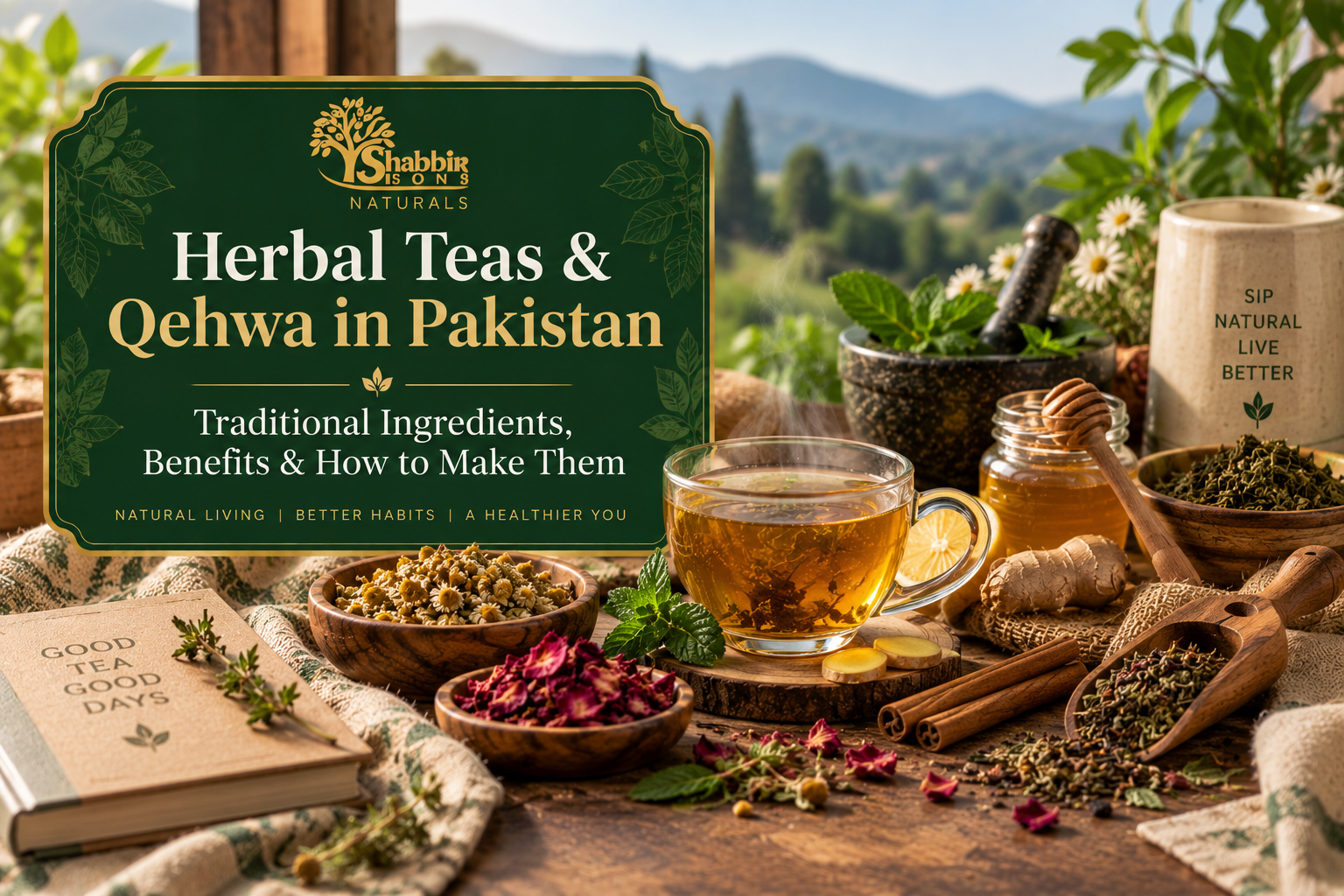
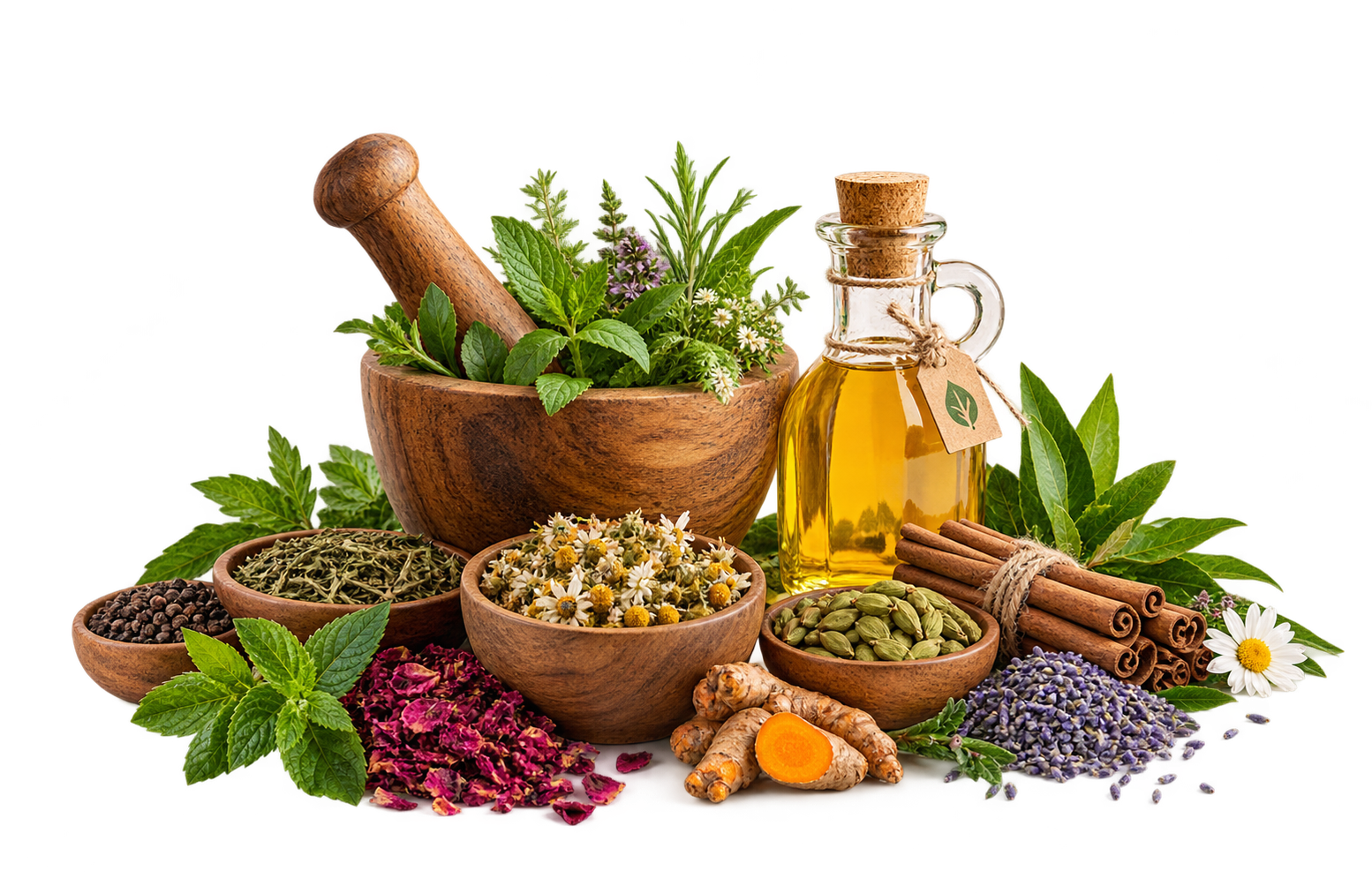
A warm cup of herbal tea or qehwa is deeply connected with hospitality and everyday life across Pakistan. From green tea infused with cardamom to simple mint, fennel, ginger, and cinnamon infusions, these drinks are enjoyed for their aroma, warmth, flavor, and comforting experience.
Unlike conventional black tea, many herbal infusions can be prepared without tea leaves at all. Instead, herbs, flowers, seeds, roots, and spices are steeped in hot water to release their characteristic flavors and aromas.
At Shabbir Sons Naturals, we appreciate the tradition of simple ingredients coming together to create enjoyable everyday drinks. Here is a beginner-friendly guide to some popular ingredients and how you can prepare them at home.
Note: This article is for general educational purposes and discusses traditional and culinary uses. Herbal ingredients can interact with medicines or be unsuitable for some people. It is not medical advice.
What Is Qehwa?
The word qehwa (kahwa) can refer to different styles of aromatic tea depending on the region and family tradition.
In Pakistan, qehwa is particularly associated with areas such as Khyber Pakhtunkhwa and Kashmir, although it is enjoyed throughout the country.
Recipes vary considerably. Depending on the style, ingredients may include:
- Green tea
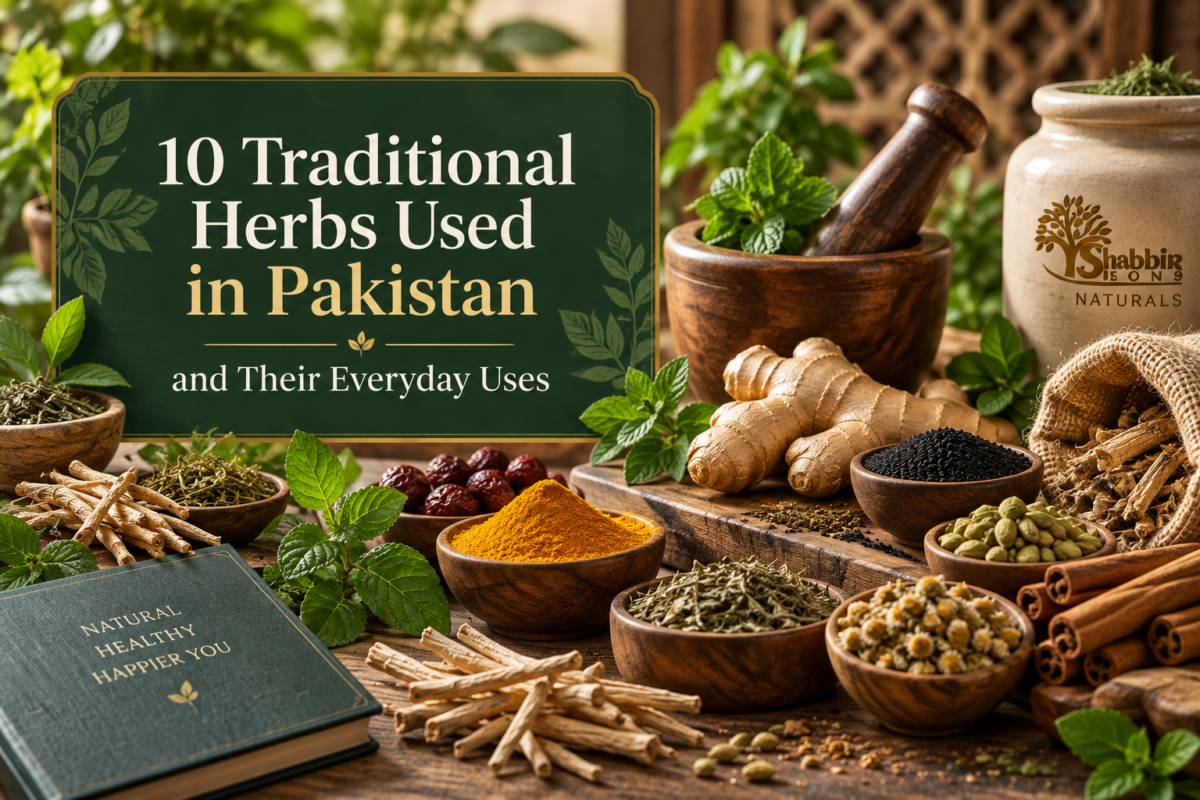
- Cardamom
- Cinnamon
- Saffron
- Ginger
- Mint
- Fennel
- Lemon
- Honey
- Nuts
This variety is part of what makes qehwa special—there isn't just one recipe.
Herbal Tea vs Qehwa: What's the Difference?
The terms are sometimes used interchangeably, but they don't always describe exactly the same thing.
Herbal tea, more accurately called an herbal infusion when it contains no true tea leaves, is made by steeping botanical ingredients such as mint, chamomile, fennel, or ginger in hot water.
Qehwa generally refers to a traditional aromatic preparation that may contain green tea alongside spices, herbs, or other ingredients.
Both can be enjoyed hot and customized according to personal taste.
Popular Ingredients for Herbal Tea & Qehwa
1. Green Tea
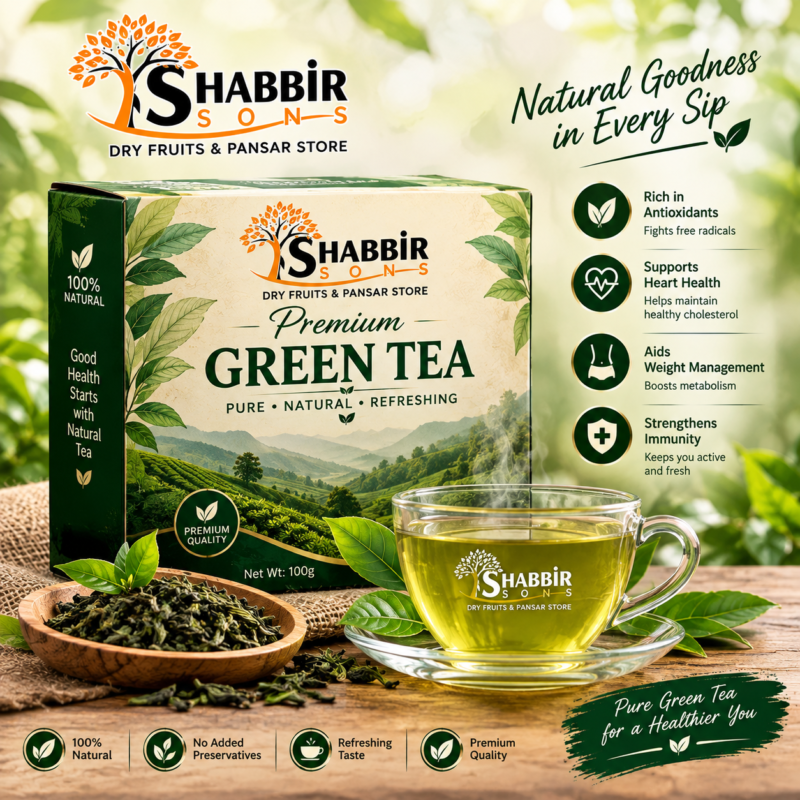
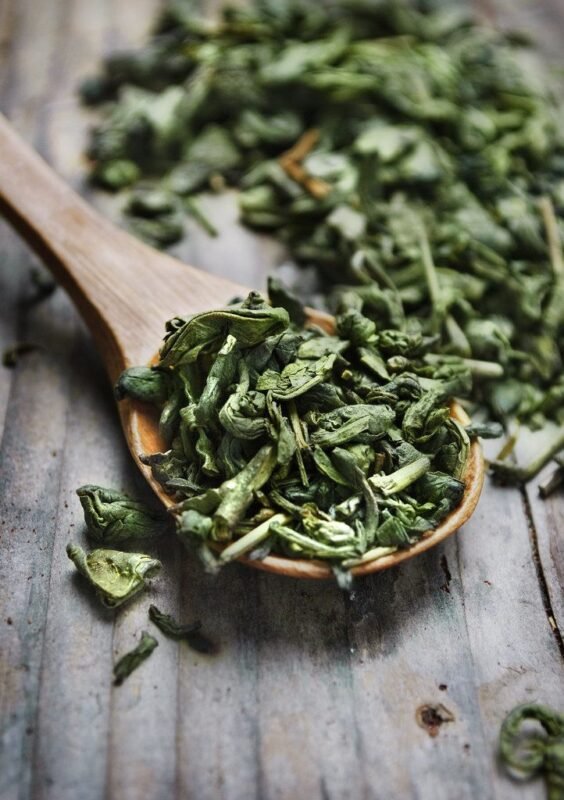
Green tea is a common foundation for many styles of qehwa.
It has a lighter flavor than traditional black chai and combines particularly well with aromatic ingredients.
Simple Preparation
Add green tea to hot water and steep according to the tea's instructions.
Avoid unnecessarily long steeping, as green tea can become bitter.
Add cardamom, cinnamon, mint, or lemon according to your preference.
2. Elaichi – Cardamom
Elaichi is one of the most familiar aromatic spices used in Pakistani beverages.
Crushing the pods slightly before steeping can help release their fragrance.
Works Well With
- Green tea
- Cinnamon
- Saffron
- Ginger
- Traditional chai
Because cardamom has a powerful aroma, a small quantity is usually sufficient.
3. Darchini – Cinnamon
Cinnamon contributes a warm and slightly sweet aroma without requiring additional sugar.
A small cinnamon stick can be simmered or steeped with other suitable ingredients.
Works Well With
Cinnamon pairs beautifully with:
- Green tea
- Ginger
- Cardamom
- Honey
- Lemon
Its warming aroma makes it particularly appealing during colder weather.
4. Adrak – Ginger
Fresh ginger gives herbal beverages a distinctive warming and slightly spicy character.
Simple Preparation
Wash and slice a small piece of fresh ginger.
Add it to hot water and allow it to steep or gently simmer. The longer it remains in the water, the stronger the ginger flavor generally becomes.
Combine it with lemon or other compatible ingredients if desired.
5. Pudina – Mint
Fresh pudina, or mint, produces a light and refreshing herbal infusion.
It can be enjoyed alone or incorporated into green tea.
Simple Preparation
Wash fresh mint leaves thoroughly, place them in hot water, allow them to steep for several minutes, and strain before drinking.
You can add lemon according to taste.
6. Saunf – Fennel
Saunf, or fennel seeds, has a naturally sweet and aromatic flavor.
Fennel is particularly useful for people who prefer a mild herbal beverage rather than a strongly spiced drink.
Simple Preparation
Lightly crush the fennel seeds, add them to hot water, allow them to steep, and strain before serving.
The quantity can be adjusted depending on how strong you prefer the flavor.
7. Chamomile
Dried chamomile flowers are commonly used to prepare caffeine-free herbal infusions.
They have a gentle floral aroma and mild taste.
Simple Preparation
Add dried chamomile to hot water, steep according to the product directions, and strain before drinking.
People with certain plant allergies should check whether chamomile is appropriate for them.
8. Lemon
Lemon is not an herb, but it is an excellent addition to many herbal beverages.
Its fresh acidity works particularly well with:
- Green tea
- Ginger
- Mint
- Cinnamon
- Honey
Add lemon after brewing according to your preferred taste.
9. Honey
Honey can provide sweetness and its own distinctive flavor.
If you prefer a sweeter beverage, a small amount can be added after brewing.
Remember that honey is still a source of sugar, so the amount used can be adjusted according to dietary preferences.
Honey should not be given to infants under 12 months of age.
10. Saffron
Saffron is particularly associated with certain traditional styles of Kashmiri kahwa.
Only a small quantity is needed because of its distinctive aroma, color, and cost.
It may be combined with green tea, cinnamon, cardamom, and nuts depending on the recipe.
Simple Everyday Qehwa Recipe
Here's an easy aromatic qehwa you can prepare at home.
Ingredients
- 2 cups water
- Green tea according to package directions
- 2 lightly crushed green cardamom pods
- 1 small piece of cinnamon
- A few fresh mint leaves – optional
- Lemon – optional
- Honey – optional
Method
Bring the water to the appropriate temperature and allow the cardamom and cinnamon to infuse.
Add the green tea and steep according to its recommended brewing time.
Strain the drink into a cup.
Add mint, lemon, or a small amount of honey according to your preference.
Serve warm.
Simple Ginger & Mint Herbal Infusion
If you prefer a drink without tea leaves, try this simple combination.
Ingredients
- 2 cups water
- A few thin slices of fresh ginger
- Fresh mint leaves
- Lemon – optional
Method
Heat the water with ginger and allow it to gently infuse.
Remove from the heat and add the mint.
Allow it to steep briefly before straining.
Add lemon if desired and serve warm.
Simple Saunf Herbal Infusion
This is one of the easiest herbal drinks to prepare.
Ingredients
- 1 cup hot water
- 1 teaspoon fennel seeds
Method
Lightly crush the fennel seeds.
Place them in a cup and pour hot water over them.
Allow the mixture to steep for several minutes.
Strain and enjoy.
Adjust the amount and steeping time according to your preferred flavor.
Why Choose Unsweetened Herbal Drinks?
Herbal beverages can provide variety, aroma, and flavor without requiring large amounts of added sugar.
If you normally drink heavily sweetened beverages, experimenting with naturally aromatic ingredients such as cinnamon, fennel, cardamom, mint, or ginger may help you enjoy a flavorful drink with less added sweetness.
That doesn't make every herbal drink a health treatment—it simply provides another beverage option.
Hot or Cold?
Herbal teas don't always need to be served hot.
Many infusions can be prepared, cooled safely, refrigerated, and served chilled.
Mint, lemon, ginger, and green tea can work particularly well as refreshing cold beverages.
Avoid leaving prepared drinks at room temperature for extended periods, especially when they contain fresh ingredients.
How to Store Herbal Tea Ingredients
Dried herbs and spices should generally be stored:
- In airtight containers or properly resealed packaging
- In a cool, dry location
- Away from direct sunlight
- Away from moisture
- Away from excessive heat
Use clean and dry utensils when removing ingredients from their containers.
Fresh herbs such as mint should be handled and refrigerated appropriately.
Be Careful With Herbal Claims
Herbal beverages have long histories of traditional use, but that does not mean every herb has been proven to treat diseases.
Some herbs can also interact with medicines, affect medical conditions, or be unsuitable during pregnancy or breastfeeding.
If you are using a concentrated herbal preparation regularly for a specific health purpose, discussing it with a qualified healthcare professional is sensible.
A Simple Tradition for Modern Life
Preparing herbal tea or qehwa doesn't need to be complicated.
A few carefully selected ingredients—perhaps green tea, cardamom, cinnamon, mint, ginger, or fennel—can create many different combinations.
Experiment with flavor, discover the ingredients you enjoy, and make a warm cup part of your everyday routine.
At Shabbir Sons Naturals, we celebrate traditional ingredients and the simple rituals that have connected families and communities for generations.
Shabbir Sons Naturals — Traditional Goodness for Modern Living.