Healthy-looking hair doesn't always require a complicated routine filled with dozens of products. A consistent approach built around gentle cleansing, appropriate conditioning, careful handling, and scalp care can often be much easier to maintain.
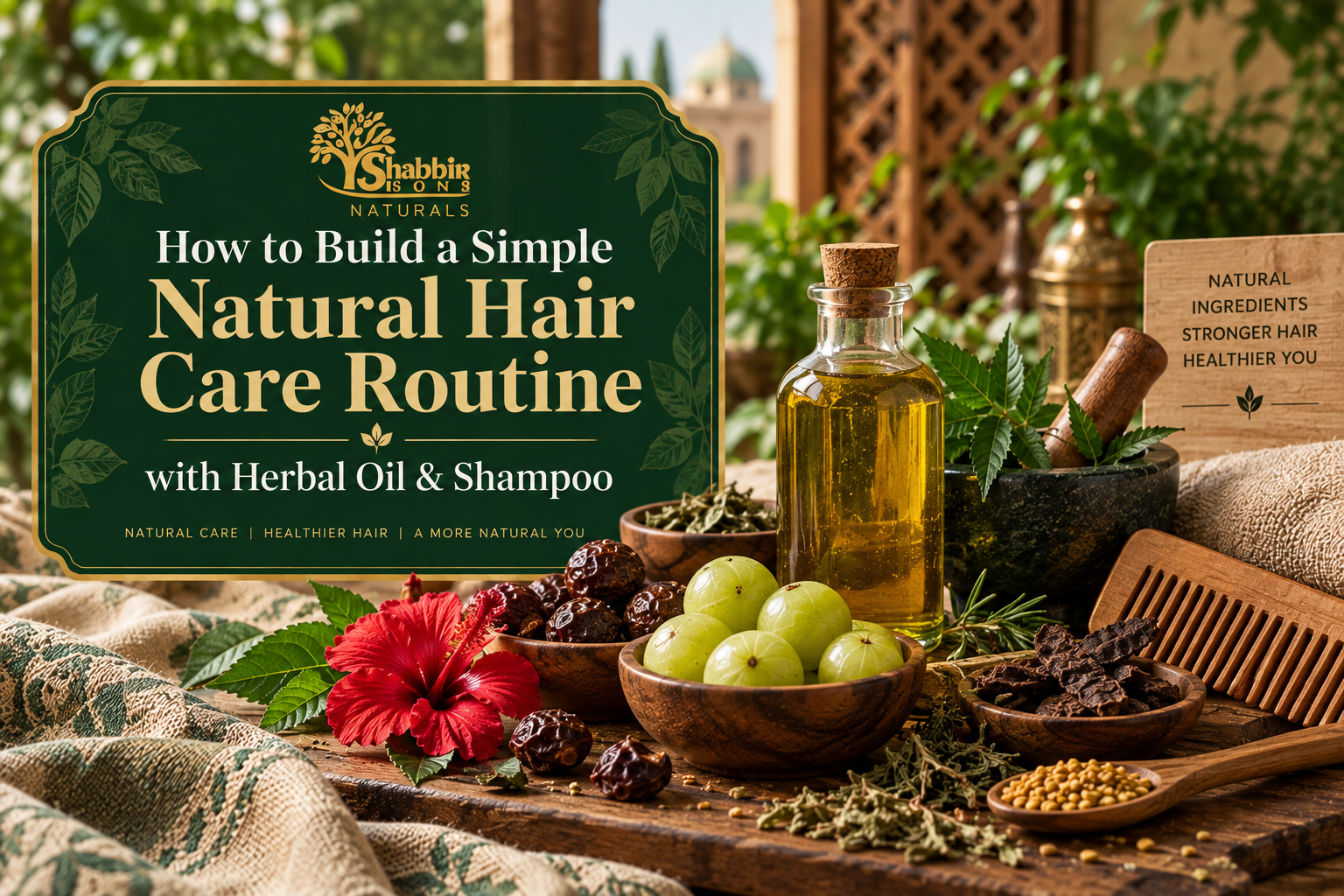
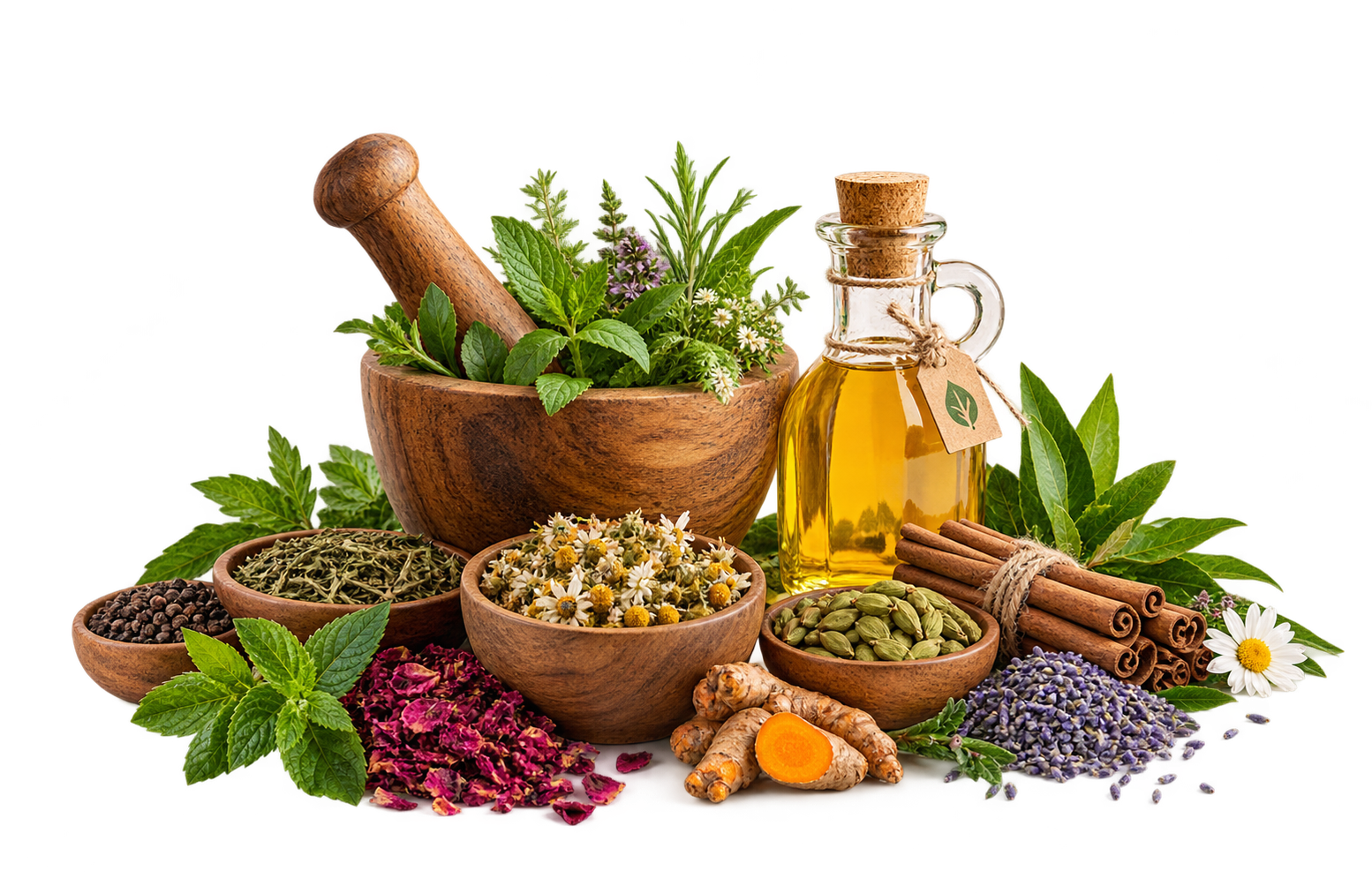
Herbal oils and botanical shampoos have long been part of traditional South Asian hair-care practices. Ingredients such as amla, reetha, shikakai, aloe vera, and rosemary are commonly found in traditional or botanical hair-care preparations.
At Shabbir Sons Naturals, we believe a hair-care routine should be simple, practical, and suitable for your individual hair and scalp needs.
Note: This article provides general hair-care information and discusses traditional cosmetic uses. It is not medical advice. Persistent hair loss, scalp irritation, dandruff, sores, or other scalp conditions should be discussed with a qualified healthcare professional or dermatologist.
Why Keep Your Hair Care Routine Simple?
Using more products does not necessarily mean better results.
Frequently switching products or layering too many treatments can make it difficult to understand what actually works for your hair.
A basic routine can focus on four things:
- Keeping the scalp and hair clean
- Avoiding excessive product buildup
- Reducing unnecessary friction and harsh handling
- Keeping hair appropriately conditioned and manageable
Your ideal routine will depend on factors such as hair texture, scalp oiliness, styling habits, climate, and how frequently your hair becomes dirty or oily.
Step 1: Understand Your Hair and Scalp
Before choosing a routine, pay attention to how your scalp and hair normally behave.
Oily Scalp
If your scalp becomes oily quickly, you may need to shampoo more frequently and use oils more sparingly.
Dry Hair or Scalp
Dry-feeling hair may benefit from gentler washing and appropriate conditioning. Heavy oiling is not automatically the answer, particularly if your scalp is irritated.
Normal or Combination Scalp
Some people experience an oily scalp while the lengths and ends of their hair remain relatively dry. In this situation, concentrate shampoo mainly on the scalp while treating the lengths gently.
The goal is not to force your hair into a specific routine but to adapt your routine to how your hair responds.
Step 2: Use Herbal Hair Oil Appropriately
Hair oiling has a long history in Pakistani and South Asian households.
Oils can help lubricate the hair shaft and may make hair feel smoother and easier to manage. The experience also makes oiling a relaxing part of many traditional personal-care routines.
How to Apply Hair Oil
Start with a small amount rather than completely soaking your hair.
- Place a small amount of oil in your palm.
- Spread it between your hands.
- Apply according to your hair and scalp needs.
- Massage gently using your fingertips rather than scratching with your nails.
- Distribute a small amount through the lengths if desired.
- Leave it on for an appropriate period before washing.
- Shampoo thoroughly enough to remove excess oil.
You don't necessarily need to leave oil on overnight. The appropriate amount and duration depend on your hair, scalp, and the product instructions.
Step 3: Massage Gently
A scalp massage should feel comfortable rather than aggressive.
Use the pads of your fingertips and gentle circular movements. Avoid scratching the scalp with your fingernails.
Excessive rubbing, pulling, or scratching can irritate the scalp and unnecessarily tangle the hair.
A few minutes of gentle massage is usually enough to distribute an oil product.
Step 4: Cleanse With Shampoo
Shampoo's primary job is to remove oil, sweat, dirt, environmental residue, and product buildup from the scalp and hair.
Botanical shampoos may incorporate plant-derived ingredients alongside the cleansing ingredients required for the formula to function effectively.
How to Shampoo Properly
- Wet your hair thoroughly.
- Apply an appropriate amount of shampoo.
- Concentrate cleansing primarily on the scalp.
- Massage gently with your fingertips.
- Allow the lather to move through the lengths rather than aggressively rubbing them.
- Rinse thoroughly.
If you have applied a substantial amount of oil or styling product, a second gentle wash may sometimes be necessary.
Step 5: Avoid Using Extremely Hot Water
Very hot water can make washing uncomfortable and may contribute to dryness for some people.
Use comfortable lukewarm water instead.
Make sure you rinse thoroughly so that unnecessary shampoo or product residue is not left behind.
Step 6: Handle Wet Hair Carefully
Hair can be more vulnerable to mechanical damage when wet.
After washing:
- Avoid aggressive towel rubbing.
- Gently squeeze or blot away excess water.
- Use a wide-tooth comb when appropriate for your hair type.
- Detangle carefully rather than pulling through knots.
- Start detangling from the ends and gradually work upward.
- Avoid tight hairstyles while hair is soaking wet.
A soft towel or smooth cotton fabric can also help reduce unnecessary friction.
Step 7: Don't Overuse Hair Oil
More oil does not necessarily produce better results.
Using excessive amounts may simply make the hair greasy and require stronger or repeated shampooing to remove it.
Begin with a moderate amount and adjust based on:
- Hair length
- Hair thickness
- Scalp type
- Product formulation
Consistency and appropriate use matter more than completely saturating the hair.
Traditional Botanical Ingredients in Hair Care
Many botanical ingredients have long histories of traditional cosmetic use.
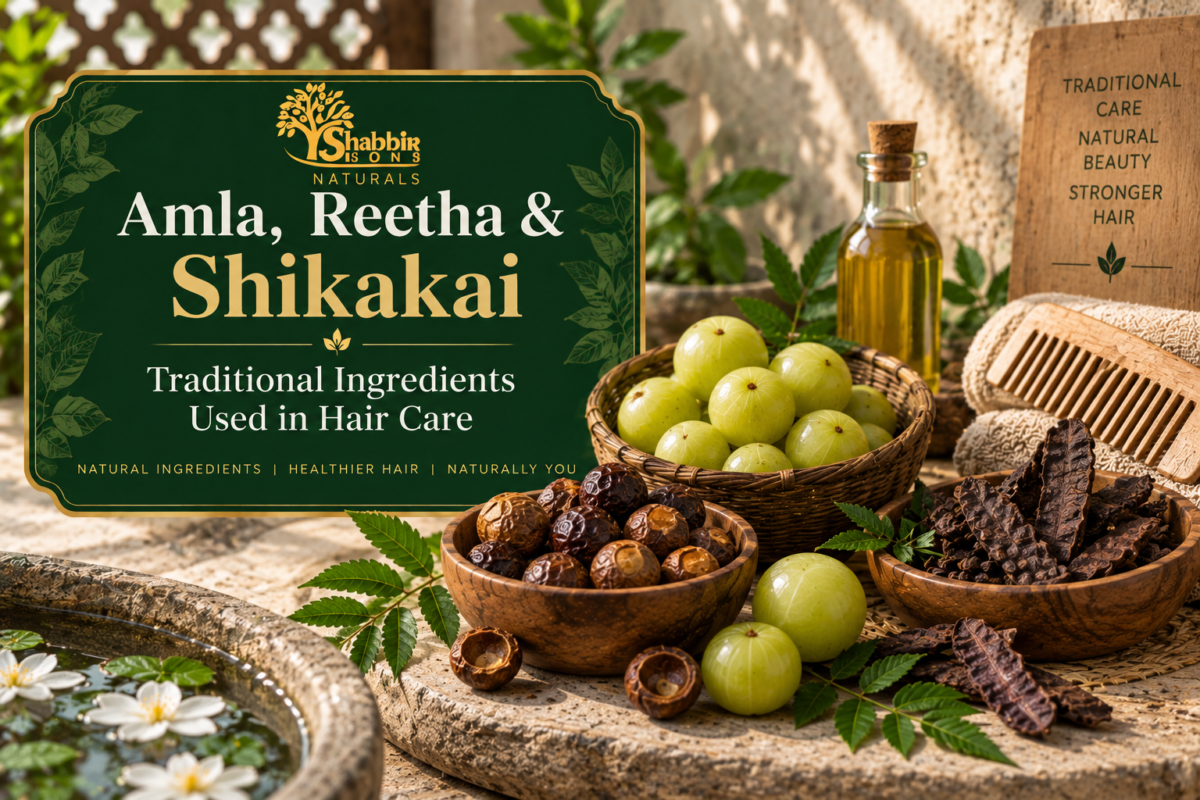
Amla
Amla, or Indian gooseberry, is widely associated with South Asian hair oils and traditional hair-care preparations.
It may appear as an extract, powder, or ingredient in formulated hair products.
Reetha
Reetha, commonly called soapnut, contains naturally occurring compounds called saponins and has traditionally been used in cleansing preparations.
Modern shampoos containing reetha may combine it with other cleansing and conditioning ingredients.
Shikakai
Shikakai is another botanical traditionally associated with hair cleansing in South Asia.
It is frequently included alongside ingredients such as amla and reetha in botanical hair-care formulations.
Aloe Vera
Aloe vera is widely used in cosmetic products, including shampoos, conditioners, gels, and scalp-care formulations.
Rosemary
Rosemary is a fragrant botanical commonly incorporated into contemporary hair and scalp products.
Concentrated essential oils should not automatically be applied directly to the scalp; they require appropriate formulation or dilution.
How Often Should You Wash Your Hair?
There is no single washing schedule that works for everyone.
Some people need to shampoo frequently because their scalp becomes oily quickly, while others can comfortably wash less often.
Consider:
- How oily your scalp becomes
- Exercise and sweating
- Hair texture
- Styling products
- Environmental exposure
- Whether you regularly apply hair oil
Wash when your scalp and hair need cleansing rather than following an arbitrary rule.
A Simple Weekly Hair Care Routine
A practical routine might look something like this:
Before washing: Apply a moderate amount of herbal hair oil when desired and suitable for your scalp.
During washing: Cleanse the scalp thoroughly but gently with shampoo.
After washing: Condition or care for the lengths as appropriate, remove excess water gently, and detangle carefully.
Between washes: Minimize excessive heat, harsh brushing, tight hairstyles, and unnecessary product buildup.
The exact frequency can be adjusted according to your individual needs.
Habits That Can Help Protect Your Hair
Products are only one part of hair care.
Consider reducing unnecessary stress on the hair by:
- Avoiding excessively tight hairstyles
- Limiting unnecessary high-heat styling
- Using heat protection when appropriate
- Detangling gently
- Keeping brushes and combs clean
- Avoiding aggressive scalp scratching
- Eating a varied, balanced diet
- Being consistent rather than constantly changing products
When Hair Problems Need Professional Attention
Cosmetic products cannot diagnose or treat the underlying causes of significant hair or scalp problems.
Consider speaking with a healthcare professional or dermatologist if you experience:
- Sudden or significant hair loss
- Bald patches
- Persistent scalp itching
- Pain or burning
- Severe flaking
- Scalp sores
- Redness or swelling
- Hair loss associated with other unexplained symptoms
Hair loss can have many causes, and determining the reason is more important than simply adding another oil or shampoo.
Build a Routine That Works for You
The best hair-care routine is not necessarily the longest one.
A simple approach combining appropriate cleansing, gentle handling, sensible oil use, and consistency can be easier to maintain than constantly experimenting with new treatments.
Traditional botanical ingredients such as amla, reetha and shikakai can remain part of a modern hair-care routine while still being used thoughtfully and according to product directions.
At Shabbir Sons Naturals, we bring traditional botanical inspiration into products designed for everyday personal-care routines.
Shabbir Sons Naturals — Traditional Goodness for Modern Living.