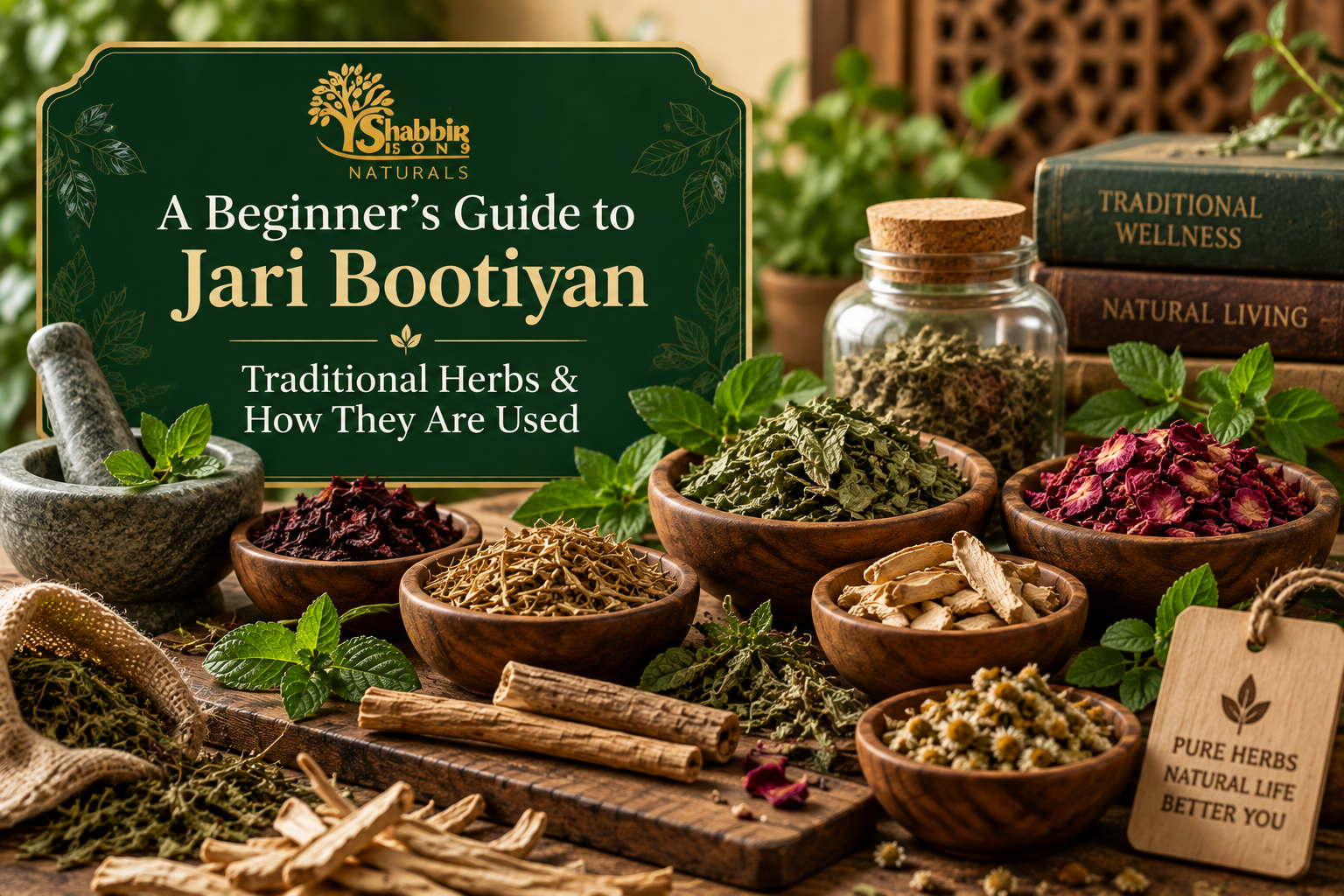
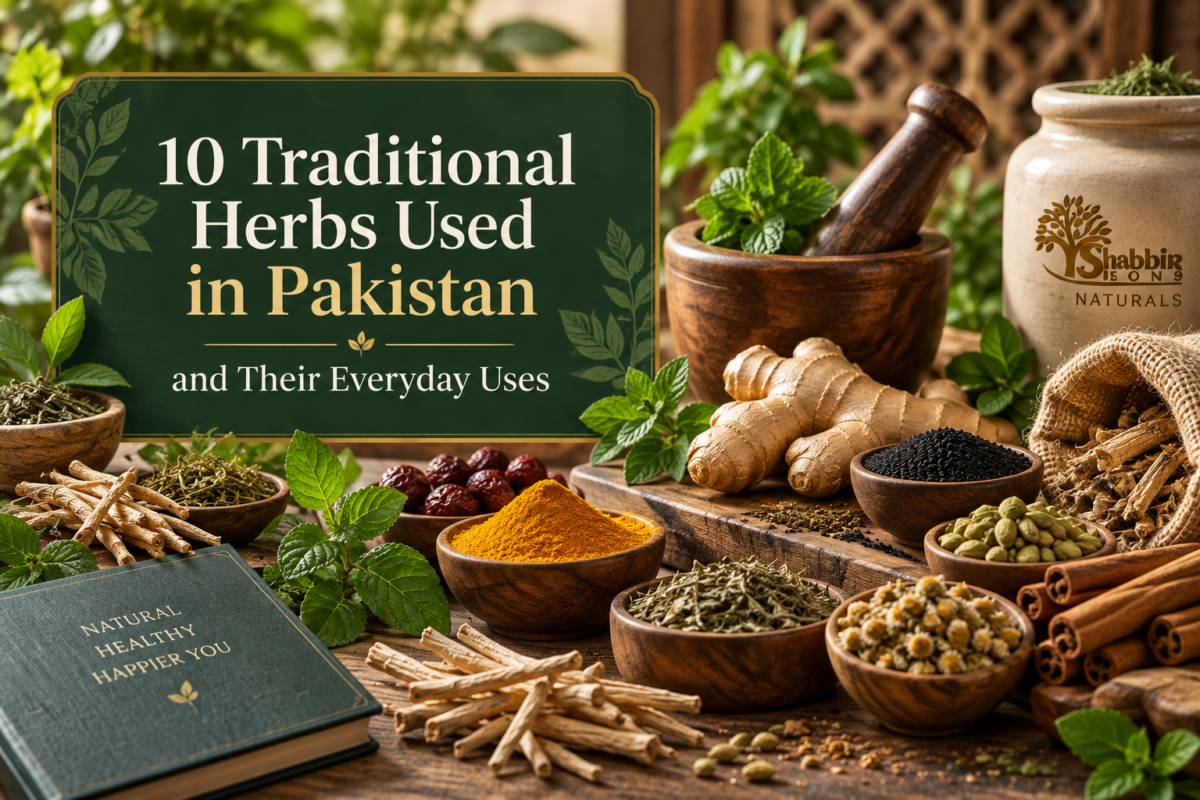
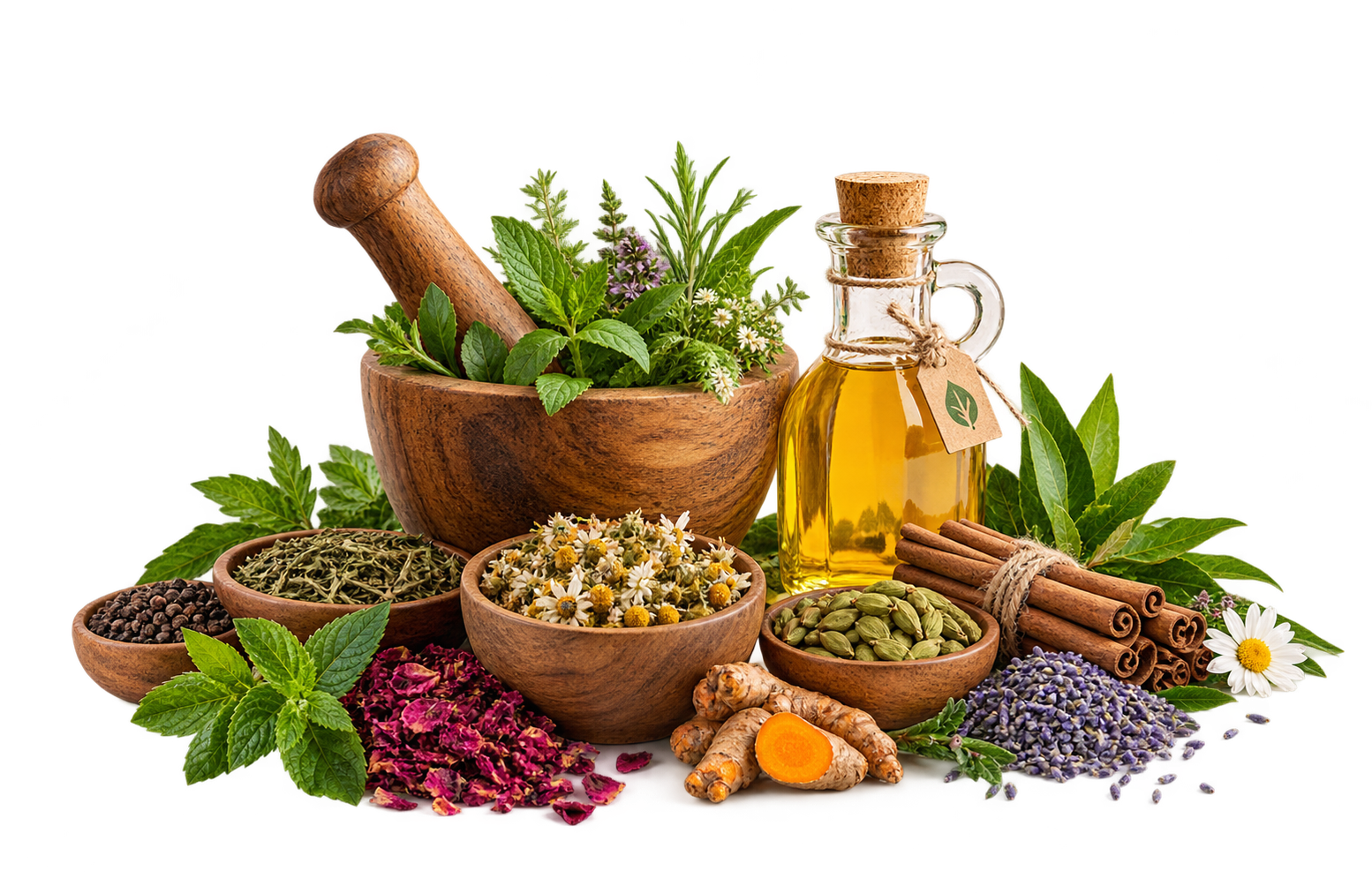
For generations, Jari Bootiyan have been part of traditional households across Pakistan and South Asia. The term generally refers to herbs, roots, seeds, leaves, flowers, and other botanical ingredients traditionally used in foods, drinks, household preparations, and traditional wellness practices.
With so many different varieties available, understanding where to begin can feel confusing. This beginner-friendly guide explains what Jari Bootiyan are, some commonly known examples, how they are traditionally used, and how to store them properly.
Note: This article is for general educational purposes and discusses traditional uses. It is not medical advice. Herbal products can interact with medicines or be unsuitable for certain people, so consult a qualified healthcare professional when appropriate.
What Are Jari Bootiyan?
“Jari Bootiyan” is a commonly used Urdu term for a broad range of herbs and botanical ingredients.
Depending on the plant, different parts may be used, including:
- Leaves
- Roots
- Seeds
- Flowers
- Bark
- Fruits
- Stems
Some are familiar kitchen ingredients, while others are primarily associated with traditional herbal preparations.
How Are Traditional Herbs Used?
There is no single way to use all Jari Bootiyan. Appropriate preparation depends entirely on the particular plant.
Traditionally, botanical ingredients may be:
- Steeped in hot water
- Used to prepare qehwa or herbal drinks
- Ground into powder
- Added to food
- Combined with other culinary ingredients
- Used in traditional hair or personal-care preparations
- Used as aromatic ingredients
A herb being “natural” does not automatically mean that any amount or method of use is appropriate. Always identify an ingredient correctly and follow suitable usage instructions.
1. Saunf — Fennel Seeds
Saunf is one of the most recognizable ingredients in Pakistani households. The small greenish seeds have a naturally sweet, aromatic flavor.
Traditional Uses
Saunf is commonly:
- Chewed after meals
- Added to qehwa and herbal beverages
- Used in traditional spice mixtures
- Added to pickles
- Used in desserts and cooking
Its mild flavor also makes it an accessible ingredient for people beginning to explore traditional botanicals.
2. Ajwain — Carom Seeds
Ajwain has a much stronger aroma and flavor than fennel. It is frequently used in Pakistani and South Asian cooking.
Traditional Uses
Small quantities can be added to:
- Parathas
- Pakoras
- Naan and breads
- Lentil dishes
- Savory snacks
- Spice mixtures
Ajwain is also traditionally steeped in warm water in some households.
3. Mulethi — Licorice Root
Mulethi, also known as licorice root, has a distinctive naturally sweet flavor and has long been used in traditional preparations.
Traditional Uses
Dried mulethi may be steeped in hot water or combined with other ingredients in traditional herbal beverages.
However, licorice root deserves caution. Regular or excessive consumption can affect blood pressure, potassium levels, and interact with some medicines. Pregnant people and individuals with certain medical conditions should seek professional advice before using it.
4. Pudina — Mint
Pudina, or mint, is among the easiest herbs to incorporate into everyday cooking.
Both fresh and dried mint are commonly used.
Traditional Uses
Mint is popular in:
- Chutneys
- Raita
- Salads
- Chaat
- Herbal drinks
- Qehwa
- Marinades
- Sauces
Its refreshing aroma also makes it particularly popular during warmer weather.
5. Kalonji — Nigella Seeds
Kalonji, or nigella seeds, are tiny black seeds with an earthy, slightly bitter taste.
Traditional Uses
Kalonji is commonly used in:
- Naan and breads
- Pickles
- Vegetable dishes
- Curries
- Spice mixtures
Its distinctive flavor means that relatively small quantities can have a noticeable effect on a recipe.
6. Methi — Fenugreek
Methi, or fenugreek, can refer to the plant's leaves or seeds.
Fresh methi leaves, dried leaves known as kasuri methi, and fenugreek seeds all have culinary uses.
Traditional Uses
Methi is commonly incorporated into:
- Curries
- Vegetable dishes
- Parathas
- Lentils
- Pickles
- Spice blends
Kasuri methi is particularly useful for adding a distinctive aroma to cooked dishes.
7. Chamomile
Chamomile consists of small dried flowers known for their gentle floral aroma.
Traditional Uses
Chamomile is most commonly prepared as an herbal infusion or tea by steeping the dried flowers in hot water.
Some people combine it with other suitable herbs or flavor it with honey or lemon.
Anyone with relevant plant allergies or taking medicines should check whether chamomile is appropriate for them.
8. Ashwagandha
Ashwagandha is a traditional botanical whose root is commonly dried and ground into powder.
It is associated more with traditional herbal practices than ordinary everyday cooking.
Traditional Uses
Traditionally, the powder may be incorporated into certain warm beverages or preparations.
Ashwagandha can interact with medications and may be inappropriate for some people, including during pregnancy or with certain health conditions. Regular or supplemental use should therefore be discussed with a qualified healthcare professional.
Understanding Whole Herbs vs Herbal Powders
Jari Bootiyan are available in different forms.
Whole or cut herbs allow you to see more of the original ingredient and are commonly used for infusions and traditional preparations.
Herbal powders are convenient because the ingredient has already been ground, but they should be stored particularly carefully because greater surface exposure can cause aroma and quality to deteriorate over time.
Neither form is automatically better. The appropriate choice depends on the ingredient and intended use.
How to Choose Herbs
When purchasing dried herbs, pay attention to their overall quality and packaging.
Look for:
- Properly identified products
- Clean-looking ingredients
- Appropriate packaging
- Natural characteristic aroma
- Clearly displayed storage instructions
- Packaging that protects the product from moisture and contamination
Avoid products that appear damp, contaminated, unusually discolored, or have an unexpected odor.
How to Store Jari Bootiyan
Correct storage helps preserve the quality, aroma, and flavor of dried botanical ingredients.
Keep them:
- In clean, airtight containers or properly resealed packaging
- In a cool and dry location
- Away from direct sunlight
- Away from excessive heat
- Protected from moisture
Avoid repeatedly using wet spoons or hands inside containers, as moisture can affect product quality.
Natural Does Not Mean Risk-Free
One of the most important things for beginners to understand is that “natural” does not automatically mean “safe for everyone.”
Some herbs may interact with medicines, affect existing health conditions, cause allergic reactions, or be unsuitable during pregnancy or breastfeeding.
Traditional use can provide valuable cultural context, but it should not replace appropriate professional medical advice when dealing with a health condition.
Keeping Traditional Knowledge Part of Modern Life
Jari Bootiyan remain an important part of Pakistan's culinary and cultural traditions.
For beginners, there is no need to start with dozens of unfamiliar ingredients. Begin by understanding familiar options such as saunf, mint, ajwain, methi, and kalonji, learn how each is normally used, and gradually explore other botanical ingredients.
At Shabbir Sons Naturals, our goal is to make traditional herbs and natural ingredients easier to discover while encouraging customers to understand what they are using and how to use them appropriately.
Shabbir Sons Naturals — Traditional Goodness for Modern Living.