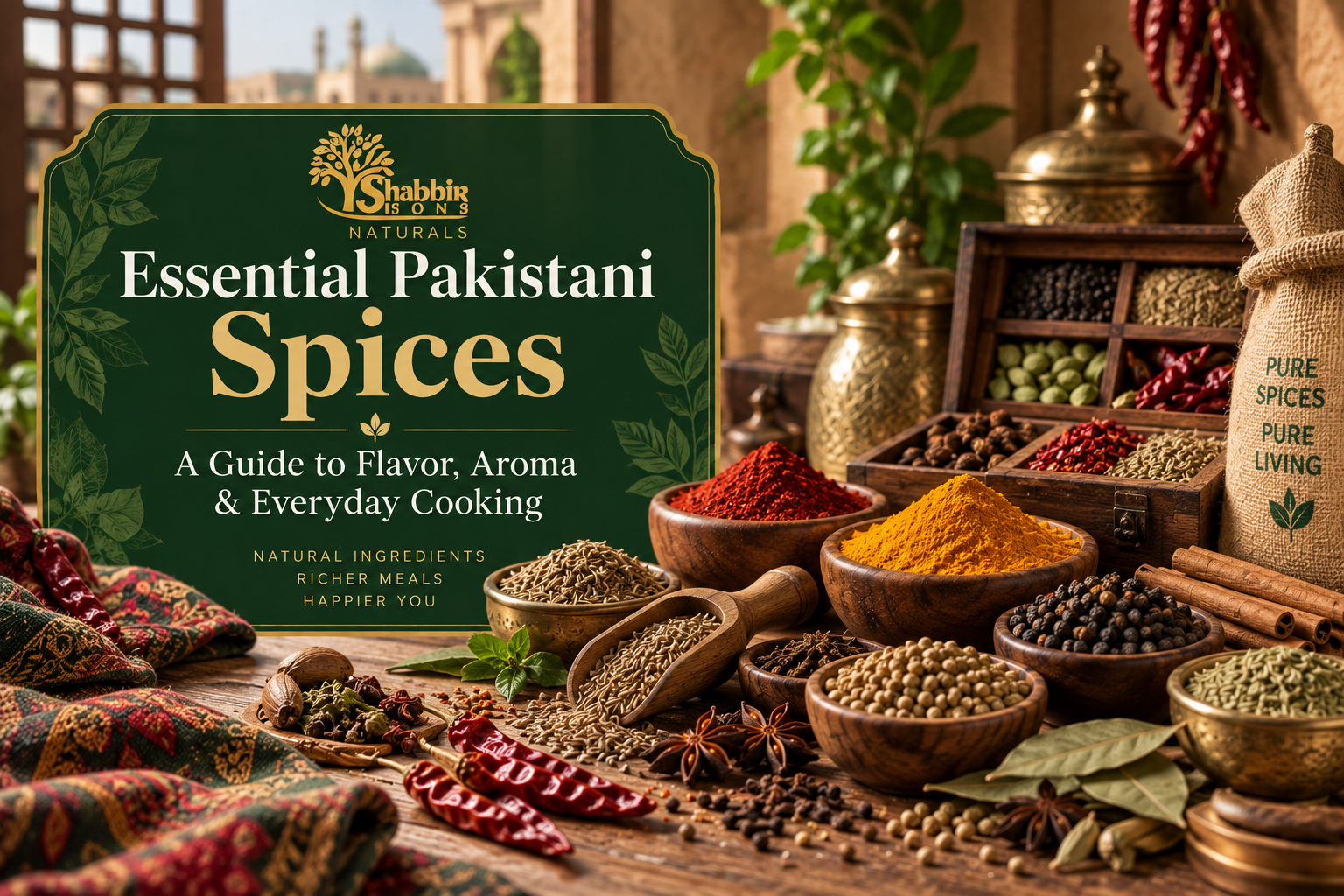
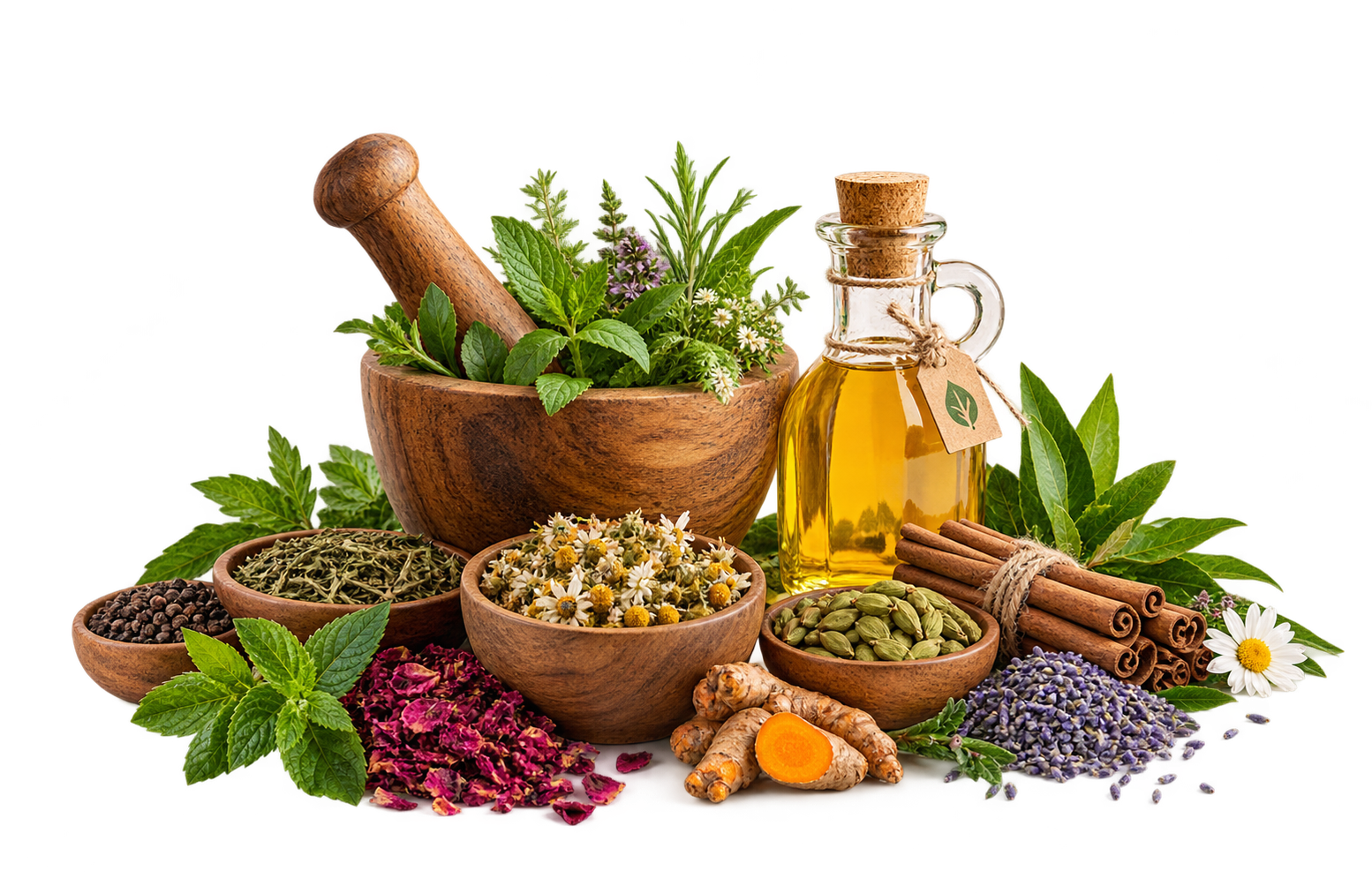
Pakistani cuisine is known for its rich aromas, deep flavors, vibrant colors, and distinctive spice combinations. From a comforting bowl of daal to chicken karahi, biryani, kebabs, and everyday vegetable dishes, spices play an essential role in creating the flavors we associate with traditional Pakistani food.
At Shabbir Sons Naturals, we believe good cooking begins with quality ingredients. This guide introduces some of the most commonly used Pakistani spices, their flavor profiles, and simple ways to use them in everyday cooking.
Why Are Spices So Important in Pakistani Cooking?
Spices do much more than simply make food hot. Each spice contributes something different to a recipe—aroma, warmth, color, earthiness, sweetness, or heat.
The final flavor of a dish often depends on how spices are combined and when they are added during cooking.
Some spices are added whole to hot oil at the beginning, while powdered spices are often incorporated later with onions, tomatoes, or other ingredients.
Understanding these differences can make everyday cooking easier and more flavorful.
1. Lal Mirch – Red Chilli
Lal mirch is one of the most recognizable spices in Pakistani kitchens. It provides both color and heat, although the intensity can vary depending on the type of chilli used.
Common Uses
Red chilli is frequently added to:
- Curries
- Karahi
- Daal
- Vegetable dishes
- Marinades
- Chutneys
- BBQ recipes
The quantity can easily be adjusted according to your preferred spice level.
2. Lal Kutti Mirch – Crushed Red Chilli
Unlike finely ground red chilli powder, Lal Kutti Mirch contains coarsely crushed dried chilli pieces and usually visible seeds.
It provides noticeable texture as well as heat.
Common Uses
Crushed red chilli works particularly well in:
- Chicken and meat dishes
- Karahi
- BBQ marinades
- Chutneys
- Sauces
- Grilled foods
- Pizza and snacks
- Stir-fried vegetables
It can be incorporated during cooking or sprinkled over prepared dishes when appropriate.
3. Haldi – Turmeric
Haldi, or turmeric, is responsible for the familiar golden-yellow color of many Pakistani dishes.
Its earthy flavor means that a relatively small quantity can influence both the appearance and taste of a recipe.
Common Uses
Turmeric is commonly used in:
- Daal
- Curries
- Chicken dishes
- Vegetable dishes
- Rice preparations
- Marinades
Because of its strong color, it should generally be added gradually.
4. Zeera – Cumin
Zeera, or cumin, has a warm, earthy aroma and is available both as whole seeds and ground powder.
Whole cumin seeds are often added to hot oil or ghee at the beginning of cooking, a technique that releases their aroma into the dish.
Common Uses
Cumin is popular in:
- Daal
- Rice and pulao
- Curries
- Raita
- Chaat
- Vegetable dishes
- Spice blends
Roasted ground cumin can also be sprinkled over raita, salads, and chaat.
5. Dhania – Coriander
Coriander seeds and ground coriander are widely used throughout Pakistani cooking.
Ground dhania has a warm, slightly citrusy character and is frequently combined with cumin, turmeric, and chilli.
Common Uses
Coriander works well in:
- Meat curries
- Chicken dishes
- Daal
- Vegetable curries
- Marinades
- Chutneys
- Masala mixtures
It is one of the foundation spices found in many everyday recipes.
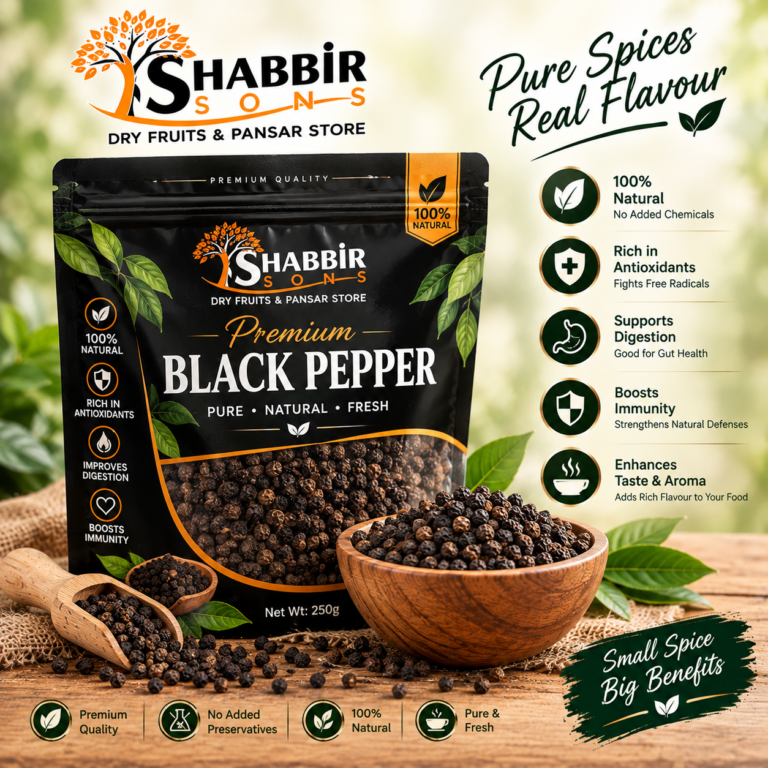
6. Kali Mirch – Black Pepper
Kali mirch, or black pepper, provides a sharp, aromatic heat that differs from the stronger chilli heat of red peppers.
Freshly crushed black pepper generally has a particularly noticeable aroma.
Common Uses
Black pepper can be used in:
- Soups
- Eggs
- Chicken dishes
- Meat dishes
- Marinades
- Salads
- Sauces
- Rice dishes
It is also useful when a recipe needs warmth without the distinctive flavor of red chilli.
7. Elaichi – Cardamom
Elaichi has a strong, sweet, fragrant aroma and plays an important role in both savory and sweet Pakistani recipes.
Green cardamom is especially familiar in tea and desserts.
Common Uses
Cardamom can be added to:
- Chai
- Qehwa
- Kheer
- Zarda
- Biryani
- Pulao
- Desserts
- Traditional spice blends
Because its aroma is powerful, only a small quantity is normally required.
8. Darchini – Cinnamon
Darchini, or cinnamon, provides a warm, slightly sweet fragrance.
In Pakistani cooking, cinnamon sticks are frequently used as part of the whole-spice mixture added to rice and meat dishes.
Common Uses
Cinnamon is commonly found in:
- Biryani
- Pulao
- Qorma
- Chai
- Qehwa
- Desserts
- Garam masala
Whole cinnamon sticks are often added during cooking and removed before serving.
9. Laung – Cloves
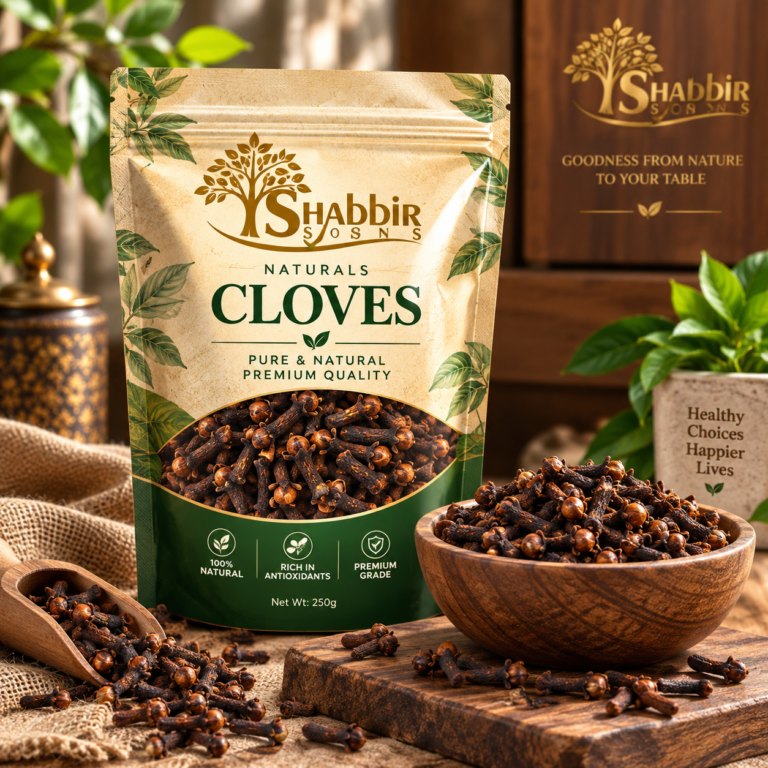
Laung, or cloves, are small but intensely aromatic.
Their strong flavor means that only a few cloves may be necessary for an entire dish.
Common Uses
Cloves are often included in:
- Biryani
- Pulao
- Qorma
- Meat curries
- Chai
- Qehwa
- Garam masala
They pair particularly well with cinnamon and cardamom.
10. Saunf – Fennel Seeds
Saunf, or fennel, has a naturally sweet and aromatic character.
Although commonly known as an after-meal ingredient, fennel also has several culinary applications.
Common Uses
Saunf may be used in:
- Qehwa
- Pickles
- Spice mixtures
- Traditional meat recipes
- Desserts
- Herbal beverages
It can also be lightly crushed before use to release more of its aroma.
Whole Spices vs Ground Spices
Both forms deserve a place in the kitchen.
Whole spices are particularly useful when flavoring hot oil, rice dishes, qorma, and slow-cooked recipes. They generally release their aroma gradually during cooking.
Ground spices distribute throughout a dish more easily and are convenient for curries, marinades, sauces, and everyday cooking.
Many Pakistani recipes use a combination of both.
What Is Garam Masala?
Garam masala is a spice blend rather than one individual spice.
Recipes vary between households and regions, but blends can include ingredients such as:
- Cumin
- Coriander
- Black pepper
- Cinnamon
- Cardamom
- Cloves
- Other aromatic spices
Unlike some spices that cook for a long time, garam masala is often added toward the later stages of cooking to retain more of its aroma.
How to Get Better Flavor From Your Spices
Good spices can still lose their character when stored or used incorrectly.
A few simple practices can help:
- Purchase spices in reasonable quantities rather than storing excessive amounts for years.
- Keep containers tightly sealed.
- Protect spices from heat and moisture.
- Store them away from direct sunlight.
- Use clean, dry spoons.
- Grind whole spices when appropriate for fresher aroma.
- Avoid overheating powdered spices because they can burn and become bitter.
How to Store Spices Properly
Spices should generally be kept in a cool, dry place in airtight containers or properly sealed packaging.
Avoid storing frequently used spices directly above a hot stove where repeated exposure to heat and steam can affect their quality.
Moisture is particularly important to avoid. Always make sure spoons and containers are dry before they come into contact with your spices.
Building Your Essential Pakistani Spice Collection
You don't need dozens of spices to begin cooking Pakistani food.
A practical starter collection could include:
Lal Mirch + Lal Kutti Mirch + Haldi + Zeera + Dhania + Kali Mirch + Garam Masala
You can then expand your collection with whole aromatic spices such as elaichi, darchini, and laung.
With these basic ingredients, you can prepare a wide variety of traditional and everyday dishes.
Bring Traditional Flavor to Your Kitchen
Spices are at the heart of Pakistani cooking. Understanding their individual flavors makes it easier to control heat, aroma, color, and overall taste rather than simply adding masala without knowing what each ingredient contributes.
At Shabbir Sons Naturals, we aim to bring carefully selected herbs, spices, seeds, dry fruits, natural products, and traditional ingredients to today's kitchens.
Whether you're preparing a family curry, daal, karahi, BBQ, or a cup of aromatic qehwa, the right spices can transform simple ingredients into memorable food.
Shabbir Sons Naturals — Traditional Goodness for Modern Living.