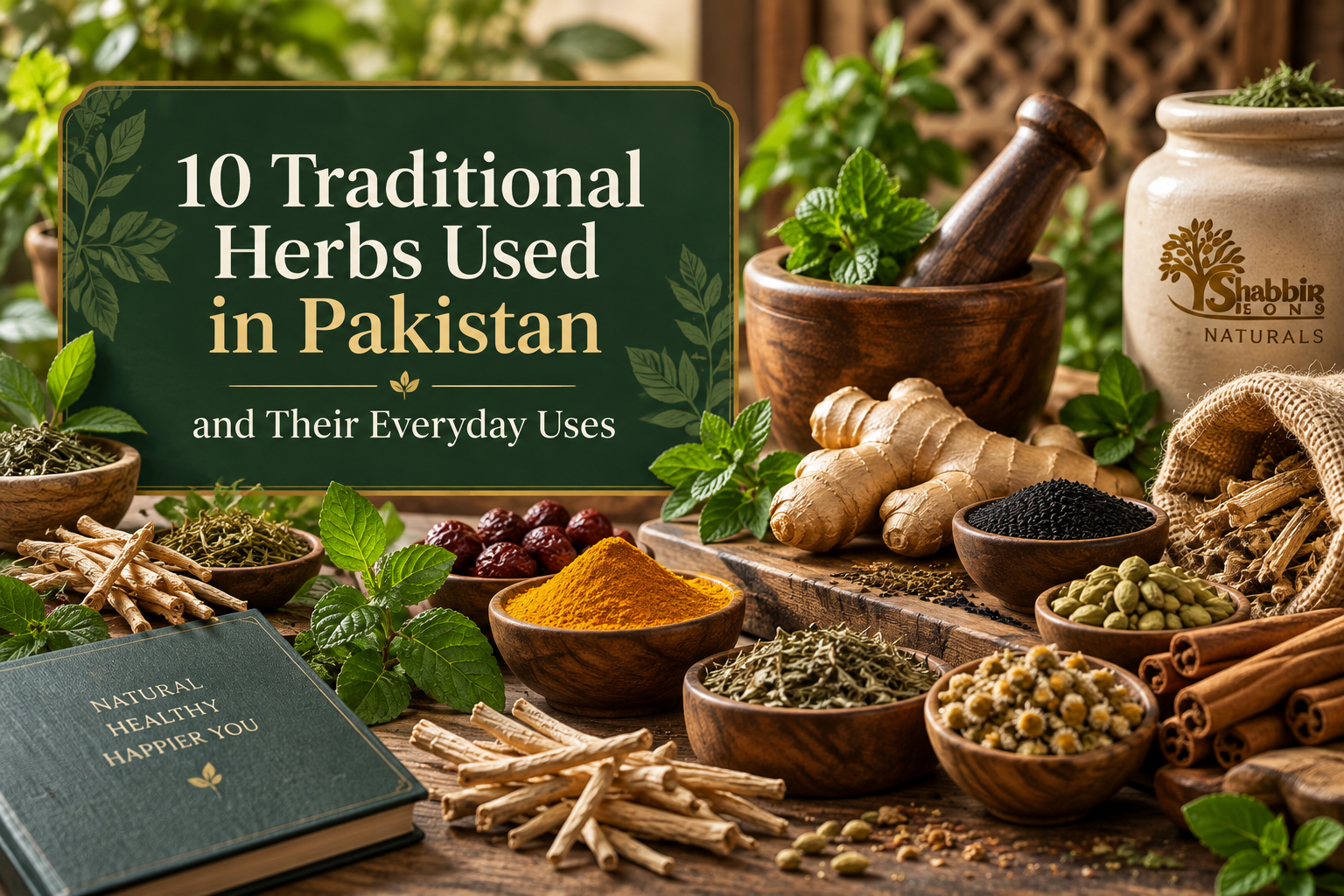
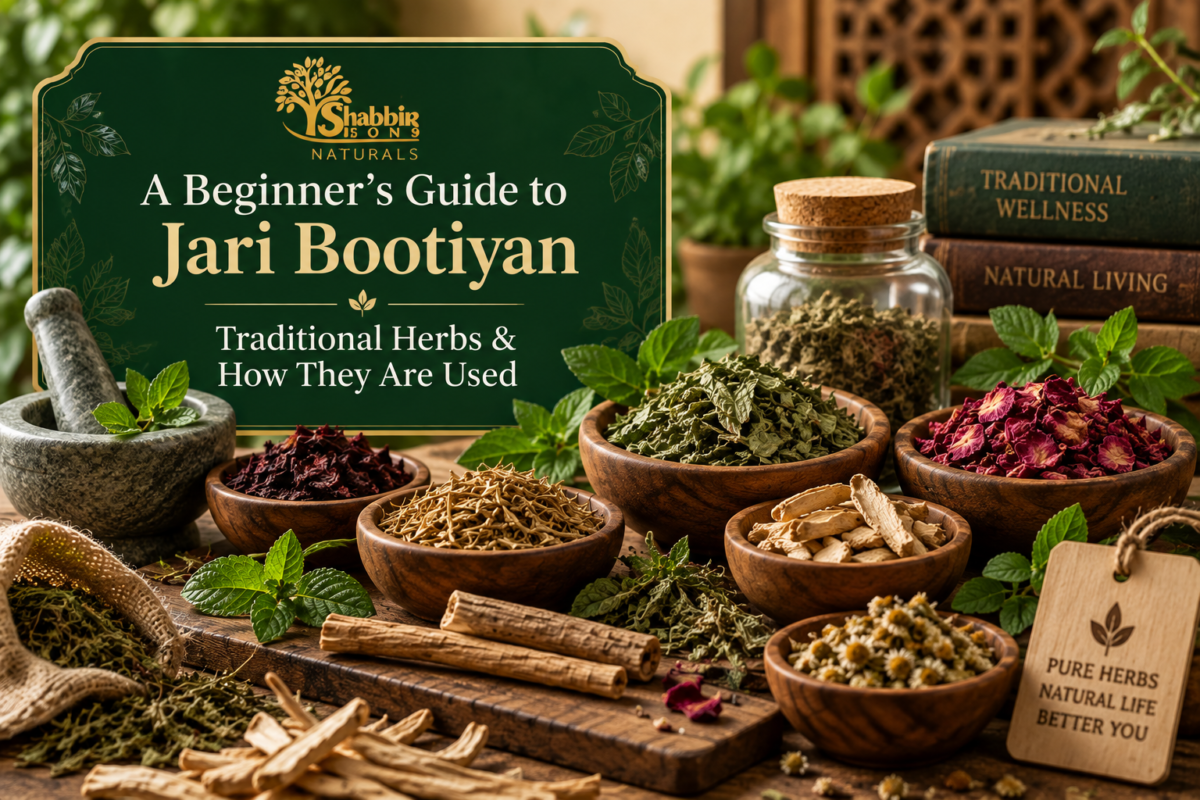
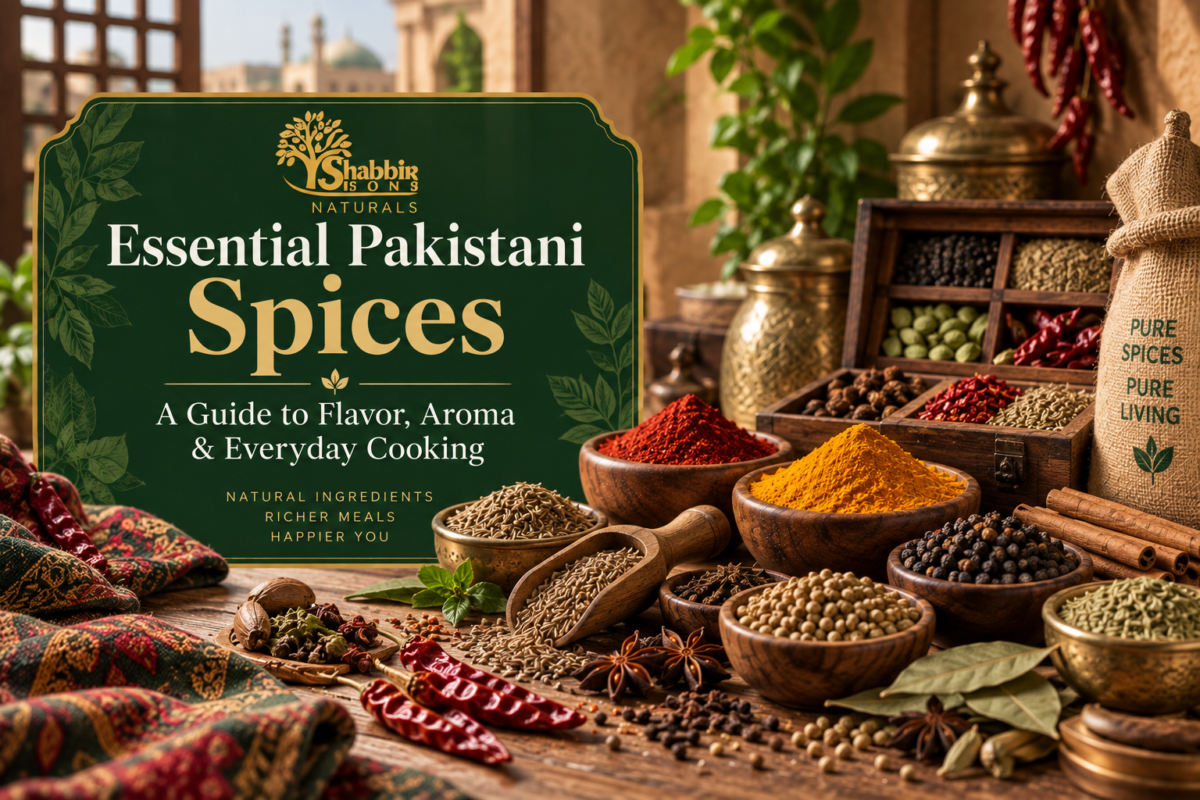
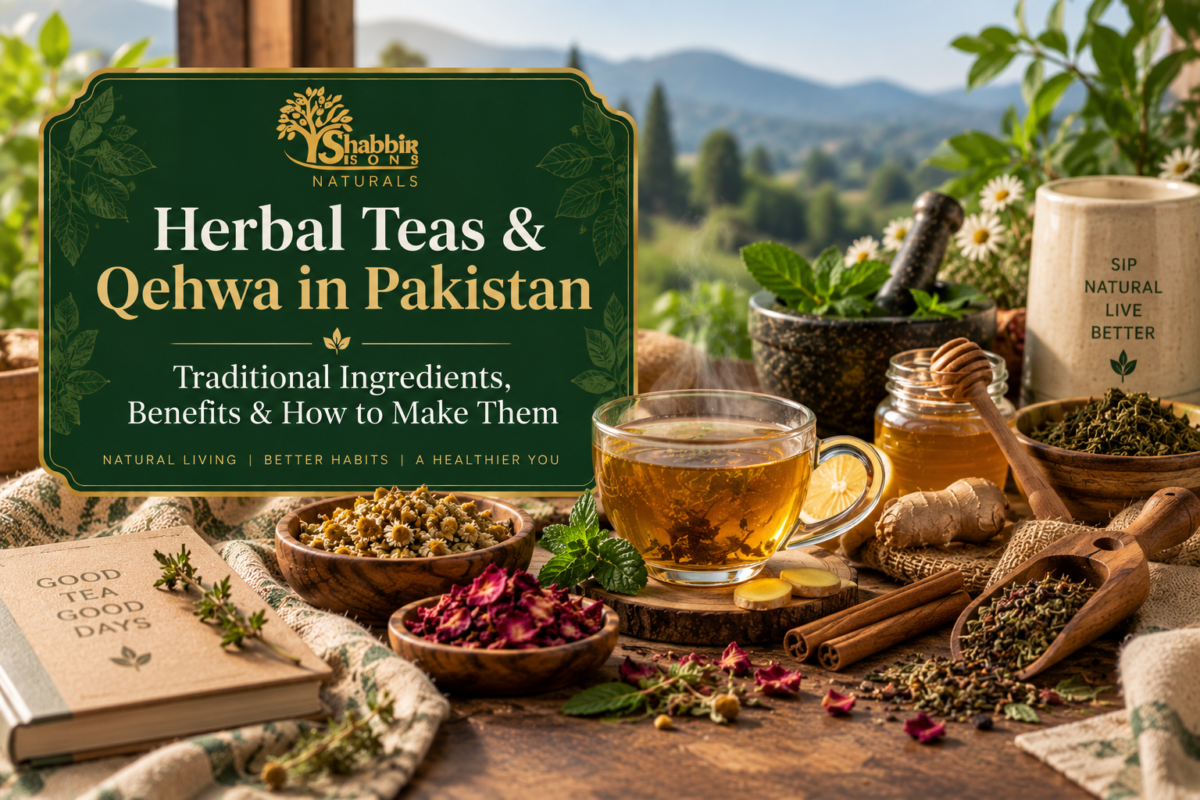
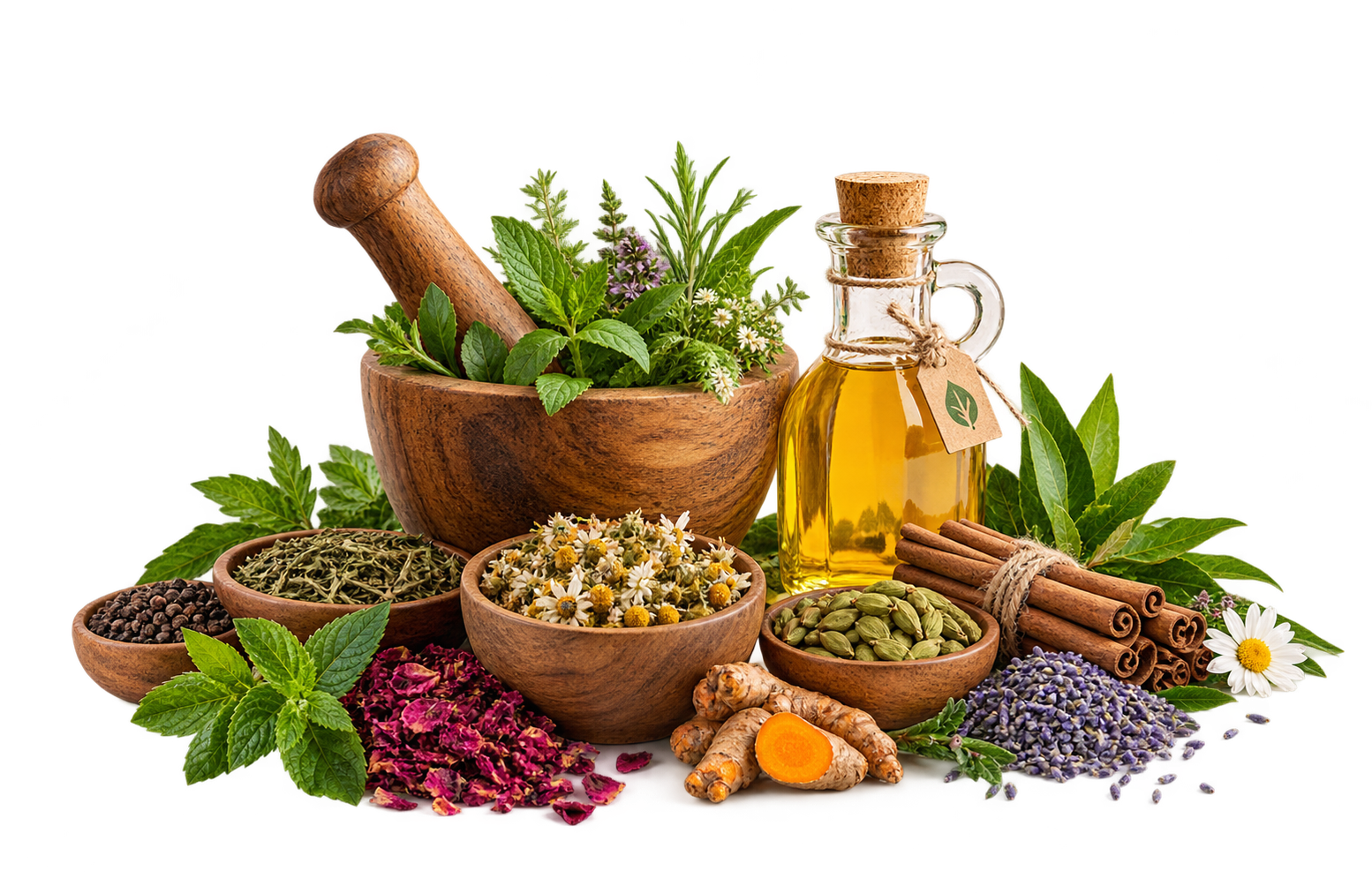
For generations, herbs and natural ingredients have been an important part of everyday life in Pakistan. From the kitchen to traditional household practices, ingredients such as ajwain, saunf, mulethi, kalonji, and ashwagandha continue to be valued for their distinctive flavors, aromas, and traditional uses.
At Shabbir Sons Naturals, we believe traditional ingredients deserve a place in modern lifestyles. In this guide, we explore 10 well-known herbs and botanical ingredients commonly used in Pakistan and some of the ways people incorporate them into their daily routines.
Note: This article is for general educational purposes and discusses traditional and culinary uses. It is not medical advice, and herbs should not be used as a substitute for professional medical care.
1. Ajwain (Carom Seeds)
Ajwain is a strongly aromatic seed commonly found in Pakistani kitchens. Its intense, slightly bitter flavor makes it particularly useful in savory recipes.
Everyday Uses
Ajwain can be added in small quantities to parathas, pakoras, naan, lentil dishes, and spice mixtures. Some households also steep ajwain in hot water as a traditional beverage.
Because of its strong flavor, only a small amount is usually needed when cooking.
2. Saunf (Fennel Seeds)
Saunf, or fennel seeds, has a naturally sweet and refreshing aroma. It is widely used in South Asian cooking and is also commonly served after meals.
Everyday Uses
Saunf can be:
- Chewed after meals as a traditional mouth freshener
- Added to herbal teas and qehwa
- Used in spice blends
- Included in pickles and traditional recipes
- Crushed and incorporated into desserts
Its mild sweetness makes it one of the most versatile ingredients in a traditional pantry.
3. Kalonji (Nigella Seeds)
Kalonji, commonly known as nigella or black seed, consists of small black seeds with a distinctive earthy, slightly bitter flavor.
Everyday Uses
Kalonji is commonly sprinkled over naan and other breads and can also be added to pickles, curries, vegetable dishes, and traditional spice mixtures.
Because of its strong taste, it is generally used in relatively small amounts.
4. Mulethi (Licorice Root)
Mulethi, or licorice root, is a traditional botanical ingredient recognizable by its naturally sweet flavor.
Everyday Uses
Mulethi is traditionally used in herbal preparations and warm beverages. Dried pieces of the root may be steeped in hot water either alone or alongside other herbs.
Important: Licorice root is not suitable for everyone and excessive or prolonged consumption can cause serious side effects, including effects on blood pressure and potassium levels. People who are pregnant or who have certain medical conditions or take medications should seek professional medical advice before using it regularly.
5. Pudina (Mint)
Pudina, or mint, is one of the most familiar herbs in Pakistani households. Its fresh aroma and cooling flavor work particularly well in both food and drinks.
Everyday Uses
Fresh or dried mint is commonly used in:
- Mint chutney
- Raita
- Salads
- Chaat
- Qehwa and herbal beverages
- Lemon and mint drinks
- Marinades and sauces
Dried mint is also useful when fresh leaves are unavailable.
6. Methi (Fenugreek)
Methi, or fenugreek, is used in several forms. Both its leaves and seeds are common ingredients in South Asian cooking.
Everyday Uses
Fresh methi leaves can be cooked with vegetables, meat, lentils, or flatbreads. Dried fenugreek leaves—often called kasuri methi—are frequently added near the end of cooking to give curries a distinctive aroma.
Fenugreek seeds can also be incorporated into spice mixtures and pickles.
7. Haldi (Turmeric)
Although commonly considered a spice in the kitchen, haldi, or turmeric, comes from the underground stem of the turmeric plant and has a long history of culinary and traditional use.
Its bright golden-yellow color makes it instantly recognizable.
Everyday Uses
Turmeric is widely used in:
- Curries
- Daal
- Vegetable dishes
- Rice recipes
- Marinades
- Traditional spice blends
Some people also prepare warm drinks containing small amounts of turmeric.
8. Adrak (Ginger)
Adrak, or ginger, is another botanical ingredient deeply connected with Pakistani cooking. Fresh ginger has a sharp, warming flavor and strong aroma.
Everyday Uses
Ginger is commonly used in:
- Chai
- Curries
- Karahi
- Soups
- Marinades
- Chutneys
- Ginger-garlic paste
Fresh and dried ginger have different flavor profiles, making both useful pantry ingredients.
9. Ashwagandha
Ashwagandha has a long history of use in traditional South Asian practices. The root is commonly dried and ground into powder for traditional preparations.
Everyday Uses
Ashwagandha powder is sometimes incorporated into warm beverages or other traditional preparations.
Unlike everyday culinary herbs such as mint or fennel, ashwagandha deserves additional caution. It can interact with medications and may not be appropriate during pregnancy or for people with certain health conditions. Anyone considering regular or supplemental use should discuss it with a qualified healthcare professional.
10. Isabgol (Psyllium Husk)
Isabgol, commonly known as psyllium husk, comes from the seeds of Plantago ovata. It is widely recognized as a source of soluble dietary fiber.
Everyday Uses
Isabgol is generally mixed with sufficient water or another liquid and consumed promptly before it thickens.
Because psyllium absorbs a significant amount of liquid, it should always be taken with adequate fluids and according to appropriate product directions. People with swallowing difficulties, intestinal problems, or relevant medical conditions should consult a healthcare professional before using it.
Bringing Traditional Ingredients Into Modern Life
Traditional ingredients remain popular because they are versatile and deeply connected with Pakistani food and household traditions.
You don't need to completely change your lifestyle to incorporate them. Mint can become part of a fresh chutney, fennel can flavor qehwa, turmeric and ginger can enhance everyday cooking, and ajwain or kalonji can add distinctive character to traditional recipes.
The key is understanding what you're using, how it is traditionally used, and how to use it appropriately.
Choosing and Storing Herbs
Quality and storage can make a noticeable difference in the aroma, flavor, and freshness of herbs and spices.
When buying dried herbs or botanical ingredients, look for products that appear clean and properly packaged. At home, keep them in airtight containers in a cool, dry place away from direct sunlight, heat, and moisture.
Always check the packaging for specific storage and usage instructions.
Explore Natural Ingredients with Shabbir Sons Naturals
At Shabbir Sons Naturals, our aim is to bring traditional herbs, spices, seeds, natural oils, dry fruits, and other carefully selected products into today's households while preserving their connection to traditional use.
Explore our collection to discover ingredients for your kitchen and everyday routine.
Shabbir Sons Naturals — Traditional Goodness for Modern Living.